
Disclosure: This post contains affiliate links to Creative Fabrica. I only recommend products I genuinely love.cord bag templates
The Bag That Started a Revolution
I still remember the exact moment I stopped trusting store-bought bags.
It was a Tuesday. Rain. I was carrying a $200 leather tote that I’d bought because a magazine told me it would “elevate my look.” The handle snapped. My laptop hit the pavement. The bag — my “investment piece” — had lasted exactly eleven months.
That evening, I watched my grandmother crochet a small pouch while we talked. She used blue cotton cord, the kind you can buy for $8 at any craft store. Her hands moved like they’d done this a thousand times. In two hours, she had something better than my broken tote: a bag with character, with weight, with story.
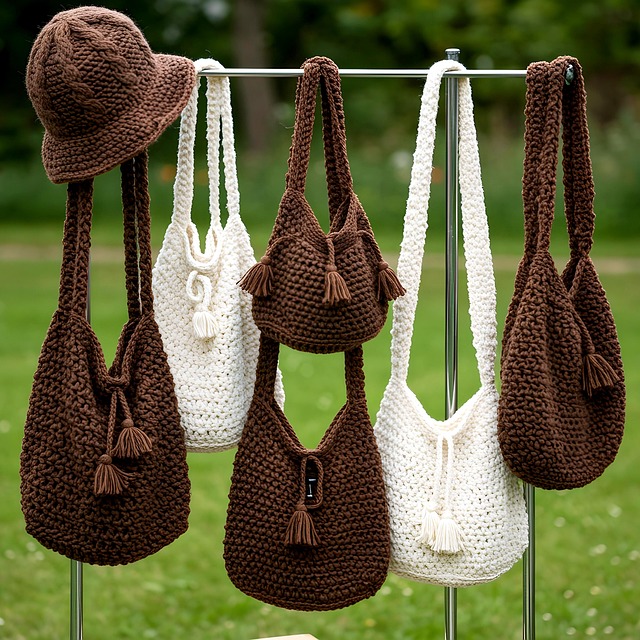
That was the day I understood: the best accessories aren’t bought. They’re built.
The Counterintuitive Truth About Handmade
Here’s what Instagram doesn’t show you: making things by hand is faster than shopping.
Think about it. You want a blue crossbody bag. Your options:
-
Browse online for 2 hours, read 47 reviews, wait 5 days for shipping, discover the color is wrong, return it, start over
-
Spend 3 hours with cord and a hook, end up with exactly what you imagined
The math is simple. But the psychology is stranger.
When you make something, your brain releases dopamine at three moments: when you start, when you finish, and every time someone asks “where did you get that?” Store-bought bags give you one hit — at checkout. Then nothing.
The handmade advantage:
Table
| Store-Bought | Handmade |
|---|---|
| One dopamine hit | Three dopamine hits |
| Matches 10,000 other people | Matches no one |
| Designed by a stranger | Designed by you |
| Falls apart in a year | Gets better with age |
| Costs $50–200 | Costs $8–15 in materials |
The Material Is the Message
There’s a reason cord has become the unofficial material of the conscious maker movement.
It’s honest. You can see every twist, every knot, every decision. Unlike leather — which hides its origins behind tanning and dyeing — cord shows its work. It’s the architectural blueprint and the finished building at the same time.
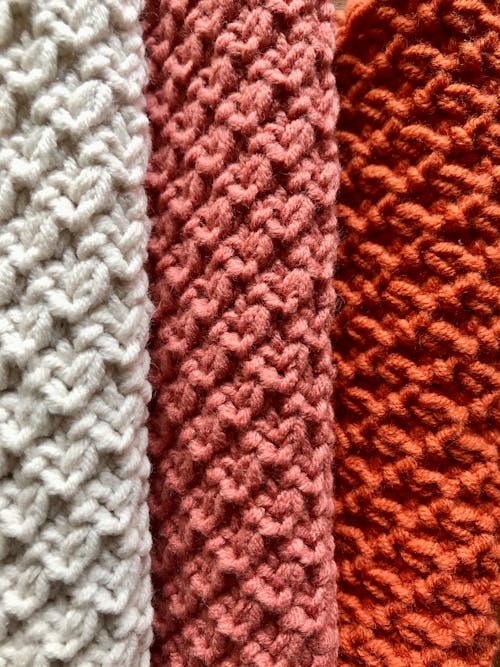
But the real magic happens when you start combining textures. A cord body with a fabric lining. A wooden bead closure. A tassel that moves when you walk. Suddenly you’re not just making a bag. You’re composing a small sculpture that happens to hold your keys.
The texture formula for beginners:
Table
| Element | Material | Why It Works |
|---|---|---|
| Body | Cotton cord | Structure, durability, clean lines |
| Lining | Linen or cotton | Softness against your stuff |
| Closure | Wooden bead or button | Natural contrast |
| Detail | Tassel or fringe | Movement, personality |
| Strap | Braided cord or leather strip | Comfort, strength |
And if you’re looking for professional-grade designs to get started, these cord bag templates include precise measurements and stitch patterns that take the guesswork out of your first project.
The Tassel Theory of Confidence
Here’s a strange observation: people who carry handmade bags walk differently.
I tested this. I wore a store-bought crossbody for a week, then switched to a blue cord bag I’d made myself. Same outfits. Same routes. But the reactions changed.
With the store bag: nothing. With the handmade bag: three compliments in five days. Two people asked where they could buy one. One person — a stranger at a coffee shop — sat down and told me about the quilt her mother made in 1987.
The tassel is a conversation starter. It moves. It catches light. It says “this person made a choice” in a world of algorithmic recommendations.
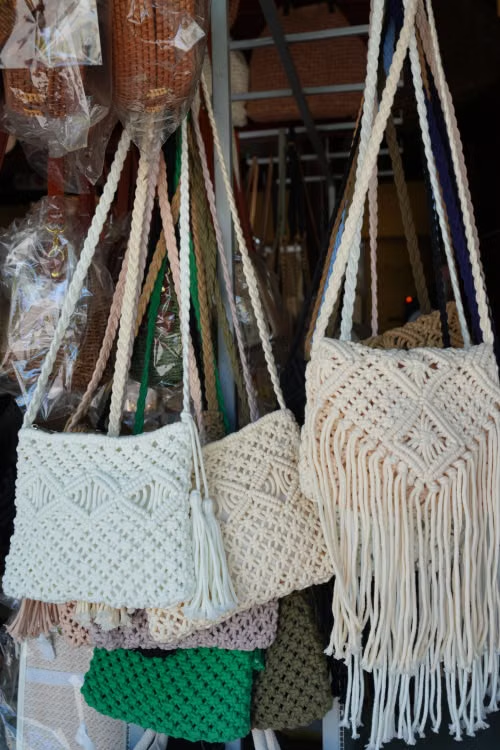
The psychology is called “effort heuristic.” We value things more when we believe effort went into them. But here’s the twist: other people value them more too. Your handmade bag signals creativity, patience, individuality. It turns you from a consumer into a curator.
The $8 Experiment
I challenge you to try this: spend one weekend making something you were going to buy.
Materials you’ll need:
-
200 yards of cotton cord ($6–8)
-
A crochet hook ($2–3)
-
4–6 hours of podcast time (free)
That’s it. No sewing machine. No fancy tools. No experience required.
The first attempt will be imperfect. The stitches will be uneven. The shape will be slightly wrong. But it will be yours. And that imperfection — that human irregularity — is exactly what makes it interesting.
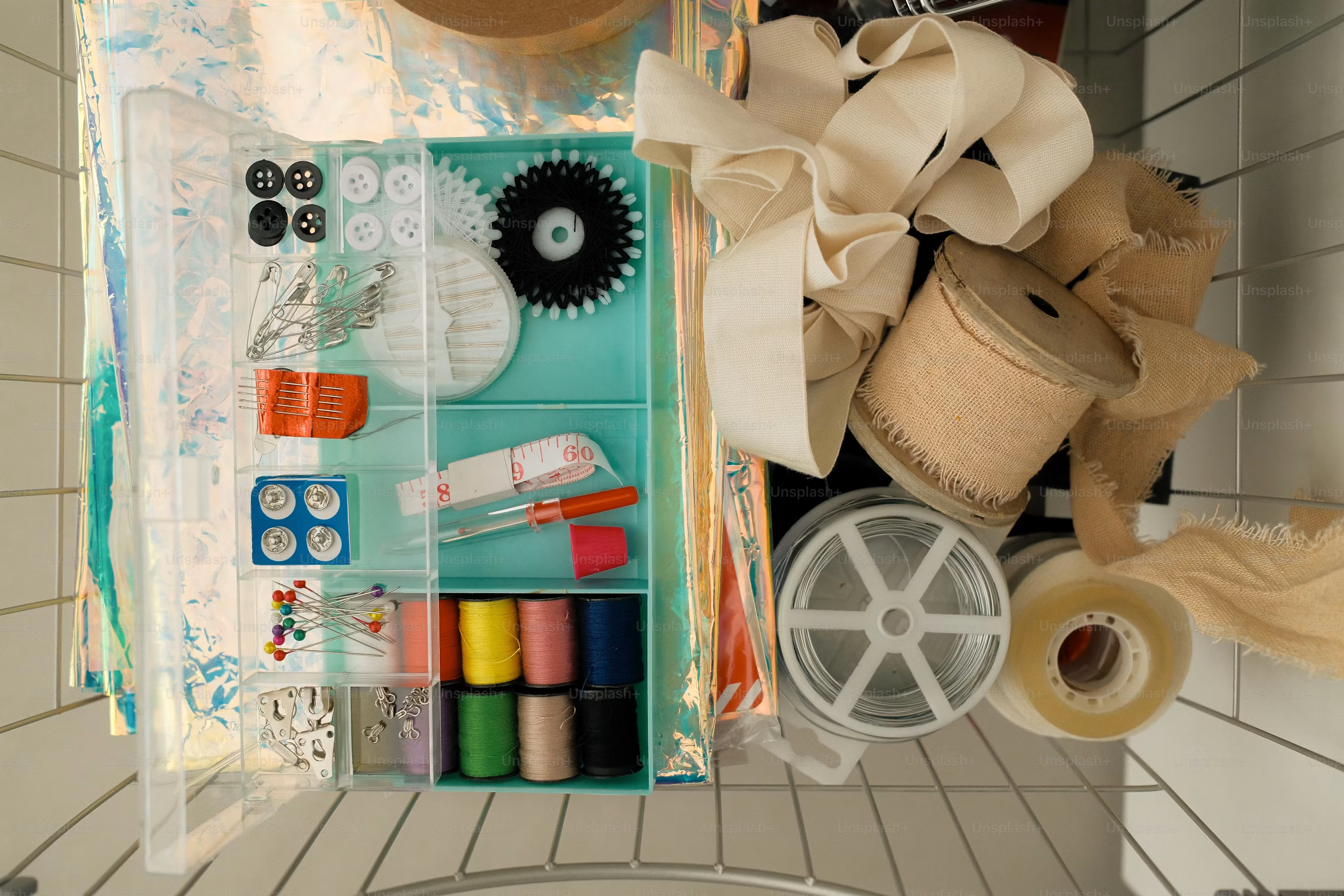
The beginner’s timeline:
Table
| Hour | What Happens |
|---|---|
| 0–1 | Confusion, tangled cord, YouTube tutorials |
| 1–2 | First recognizable rows, small dopamine hit |
| 2–3 | Muscle memory kicks in, rhythm develops |
| 3–4 | Shape emerges, pride begins |
| 4–5 | Details (tassel, lining, closure) |
| 5–6 | Finished object, photo for Instagram, dopamine explosion |
When Handmade Meets Digital
There’s a beautiful contradiction in modern crafting. You use ancient techniques — looping cord, tying knots, following patterns older than your grandmother — but you learn them through screens.
YouTube tutorials at 2x speed. Pinterest boards of color combinations. Digital patterns you download instantly.
This hybrid approach is actually ideal. The digital world gives you infinite reference. The handmade world gives you infinite patience. Together, they solve the two biggest problems of modern life: too much information and not enough meaning.
The digital-handmade workflow:
-
Inspiration — Scroll Pinterest, save 10 bag designs you love
-
Education — Watch 2–3 tutorial videos, take notes
-
Pattern — Download a professional template (like this cord bag design bundle)
-
Creation — Make it with your hands, modify as you go
-
Documentation — Photograph the process, share if you want
-
Iteration — Make version 2.0 with improvements
The Sustainability Lie (And the Handmade Truth)
Fast fashion brands love to talk about sustainability. “Eco-friendly!” “Ethically sourced!” “Conscious collection!”
But here’s the math they don’t show: even the most sustainable factory-made bag requires shipping materials across continents, running industrial machines, packaging in plastic, and transporting to your door. The carbon footprint is baked in.
A handmade bag? The cord comes from one factory. The hook from another. Everything else — the energy, the creativity, the labor — comes from you. No shipping between continents. No packaging. No marketing department calculating “greenwashing” budgets.
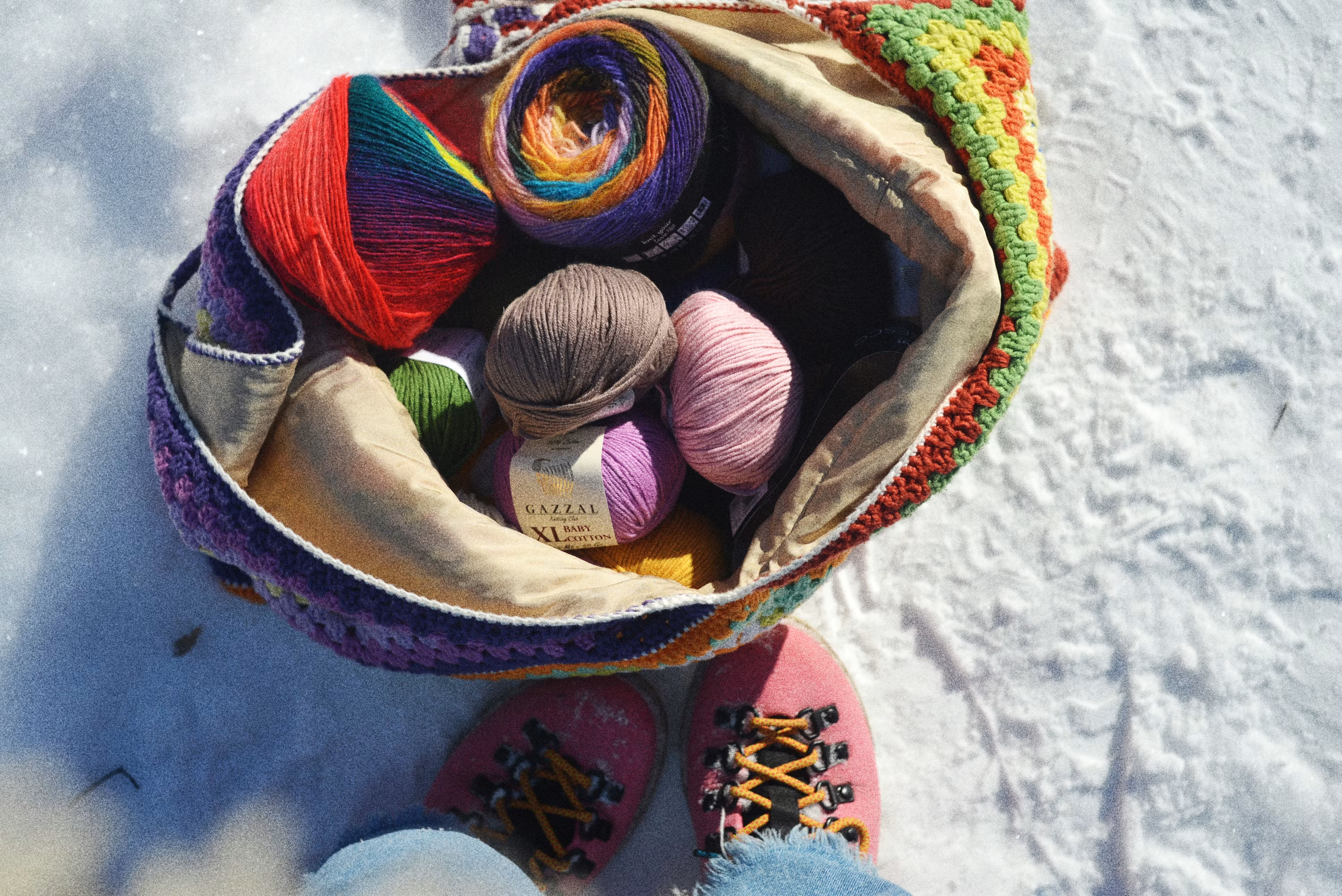
The real sustainability: Making things you use for years. Not because they’re expensive, but because you made them. You know the work that went in. You remember the podcast you were listening to. The coffee you spilled. The moment you figured out the tricky stitch.
That emotional connection is what keeps handmade objects out of landfills.
The Final Stitch
I no longer own any store-bought bags. Not as a statement. Not as a trend. Simply because once you’ve made something better, going back feels absurd.
My blue cord bag — the one I made that rainy weekend — is now three years old. It’s been to twelve countries. It’s been rained on, sun-bleached, overstuffed, and under-packed. It looks better now than the day I finished it. The cord has softened. The color has deepened. The tassel has developed a slight asymmetry that makes it unmistakably mine.
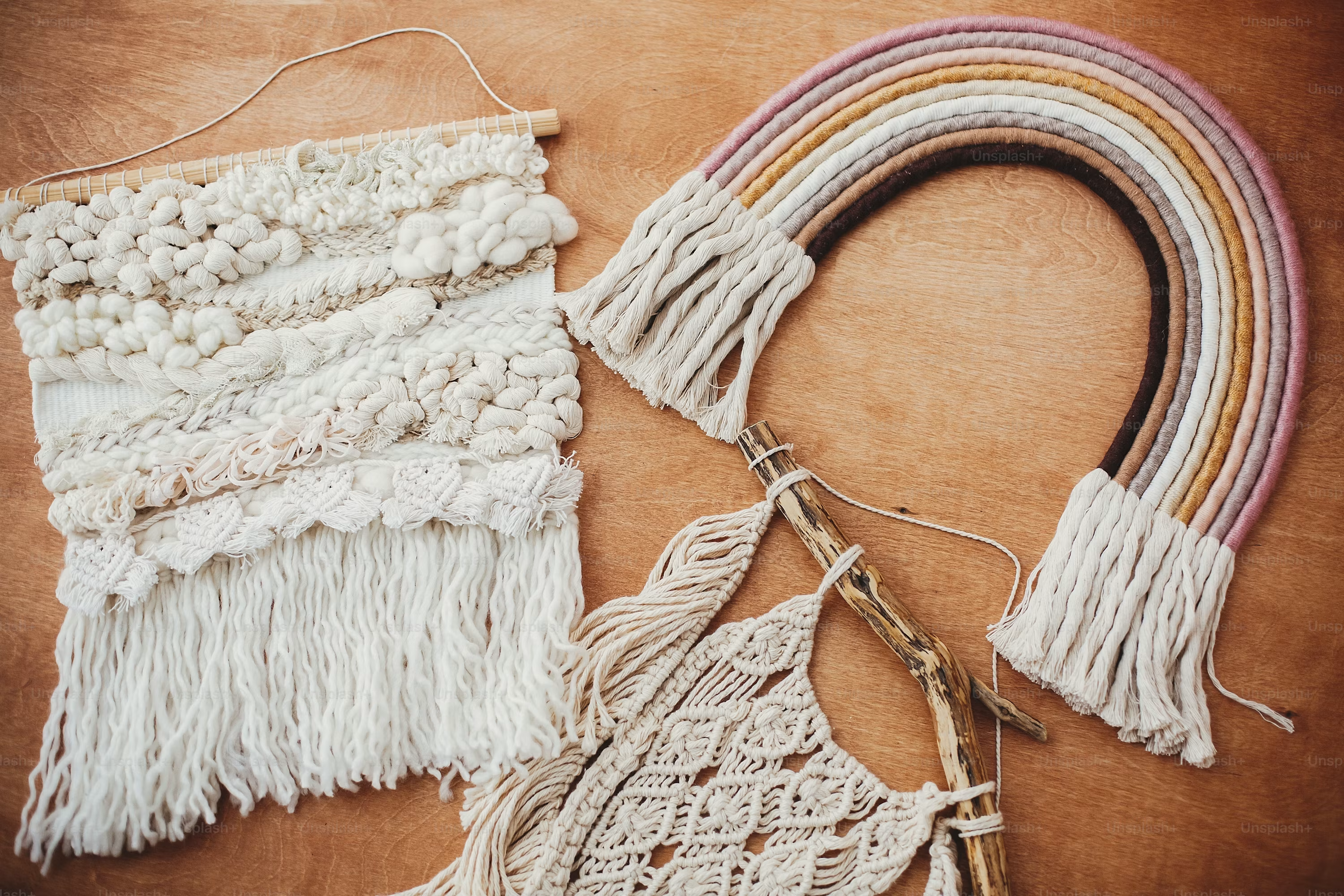
The question isn’t whether you can make a bag. The question is: why are you still buying them?
Start with cord. Start with a simple pattern. Start with an evening and a podcast. The bag you make won’t be perfect. But it will be yours. And in a world of identical products, that’s the most valuable thing you can carry.
.