What if the most sophisticated thing you can wear isn’t from a runway, but from someone’s living room?
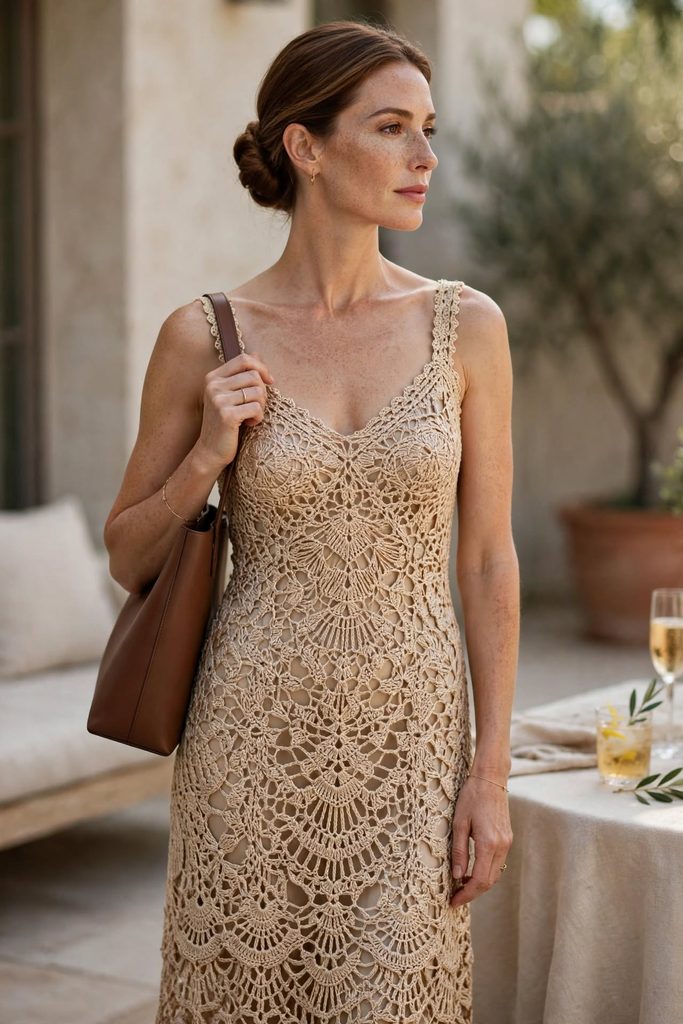
There is a particular kind of beauty in a garment that carries the marks of human hands. A crochet dress with its intricate stitches. A knitted cardigan that feels softer with every wear. A piece whose texture catches the light in a way that a printed pattern never quite can.
Handmade fashion has a way of making us look at clothing differently. Instead of asking whether something is new, expensive, or recognizable, we begin to ask other questions. Does it feel like me? Will I want to wear it next summer? Does it bring something distinctive to my wardrobe?
For many women, personal style gradually becomes less about collecting the latest things and more about choosing pieces that feel meaningful. Handmade fashion fits naturally into that shift—not because it is always better than ready-to-wear clothing, but because it offers a different relationship with what we wear.
And sometimes, that is where elegance begins.
The Return Journey: From Labels to Personal Style
When we first discover fashion, recognizable labels and current trends can feel like a map. They tell us what is desirable, what belongs together, and what other people might admire.
There is nothing wrong with enjoying beautiful brands or a well-made designer piece. But over time, some women discover that a wardrobe built entirely around what is fashionable can leave little room for personal expression.
The change rarely happens all at once. It might begin with a vintage cardigan found in a small shop, a hand-knitted piece borrowed from a family member, or a crochet dress that feels unlike anything else in the wardrobe.
Gradually, the questions change. Instead of wondering whether a garment is fashionable enough, we begin to consider whether it deserves a place in our lives.
That is where handmade fashion becomes interesting. Its appeal is not limited to the fact that someone made it by hand. It lies in the visible construction, the choice of materials, the character of the design, and the possibility of finding something that feels distinctly personal.
Why Elegance Is a Circle, Not a Line
Fashion encourages us to move forward constantly. New collections arrive, colors change, and yesterday’s must-have piece is quickly replaced by something else.
Personal style can develop in another direction.
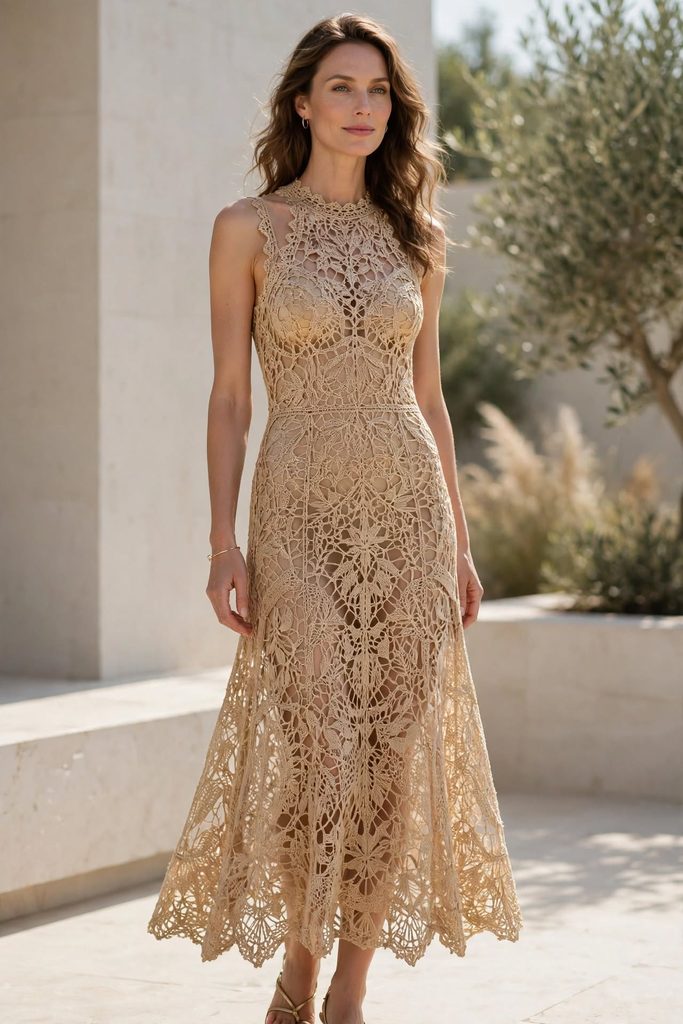
Sometimes, the pieces we appreciate most are the ones we return to: a linen shirt that works with almost everything, a cardigan that makes a simple outfit feel finished, or a crochet dress that comes out of the wardrobe every summer.
These garments become familiar without necessarily becoming boring. We learn how they fit, which shoes work with them, and how to style them for different occasions.
Handmade pieces can be especially rewarding in this respect. A distinctive stitch pattern, an unusual silhouette, or a carefully chosen color gives a garment an identity beyond a seasonal trend.
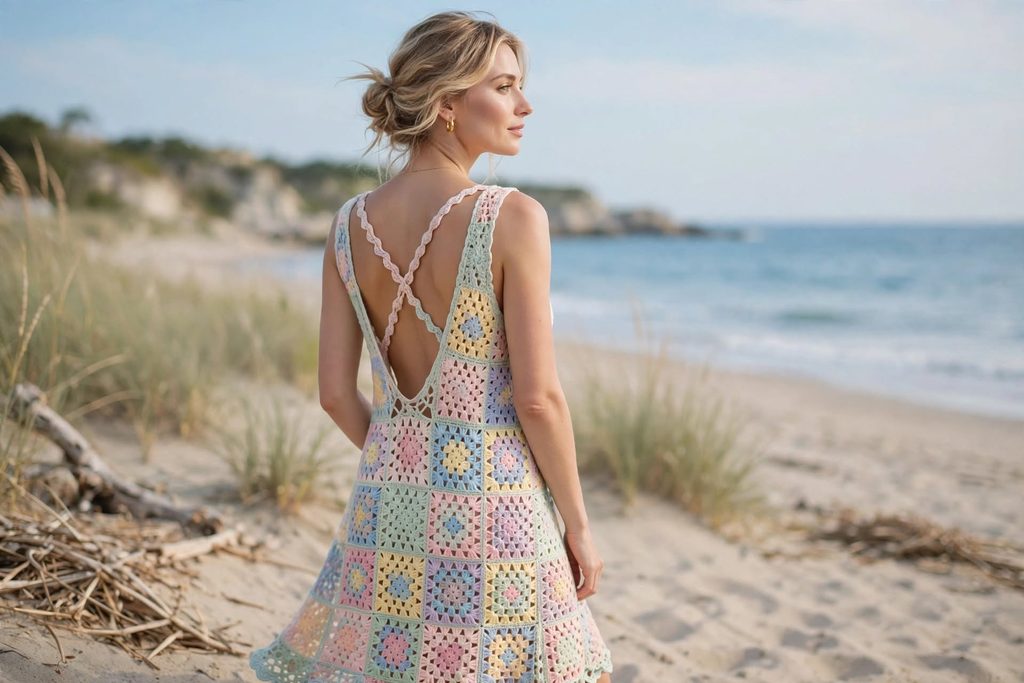
Consider a granny-square beach dress in soft pastel shades. It can feel playful with sandals and a woven bag, or more understated when paired with simple accessories. The same dress can return to the wardrobe year after year, provided its materials, construction, and fit hold up.
The beauty of returning to a garment is not that it remains unchanged forever. It is that you continue to find ways to wear it.
Elegance, in this sense, is not about always moving toward the next thing. It is about recognizing what already works—and choosing it with intention.
The Invisible Architecture of Handmade Fashion
A beautiful garment is more than its appearance. The way it hangs, moves, and fits can determine whether it becomes a favorite or remains unworn in the wardrobe.
Crochet and knitwear make these details particularly visible. Stitch size, yarn weight, pattern density, and the shape of the garment all contribute to its final look.
An openwork crochet dress may feel airy and relaxed, while a more closely stitched design can create a different silhouette. Flared sleeves bring movement. A defined waist can introduce structure. Tassels and geometric motifs add detail without requiring additional prints or accessories.
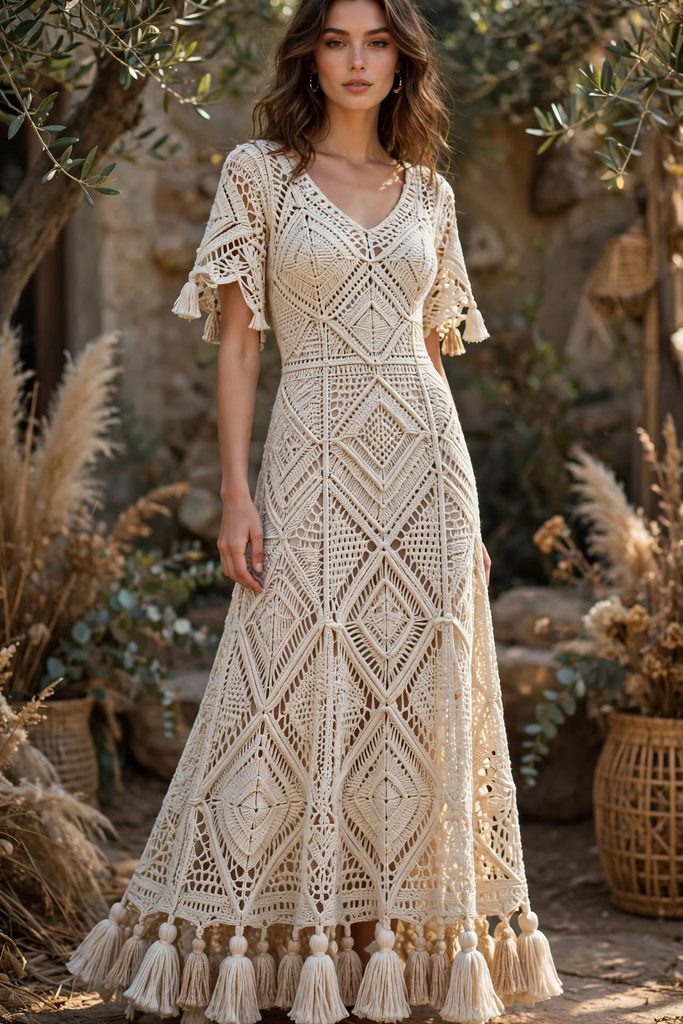
But handmade does not automatically mean perfectly fitted. Crochet garments can stretch, and different yarns behave differently. A dress that looks beautiful on a model may fit another body quite differently.
When choosing a handmade garment, pay attention to the details that matter in everyday wear:
- Fit: Check the garment measurements rather than relying on the size label alone.
- Yarn and fiber: Cotton, wool, linen blends, and synthetic fibers have different textures, weights, and care requirements.
- Stitch density: Openwork can create a light, airy appearance, but you may need a slip, lining, or suitable undergarments.
- Construction: Look at the seams, straps, closures, and finishing details.
- Movement: Consider how the garment behaves when you sit, walk, reach, or move your arms.
These practical details do not diminish the romance of handmade fashion. They help ensure that a beautiful piece becomes something you genuinely enjoy wearing.
The Beauty of a Garment That Lives With You
Clothing changes through wear. Some fabrics soften, some colors fade, and some garments gradually lose their shape. Handmade pieces are no exception.
A cotton crochet cover-up, for example, may become part of many summers: packed for a beach holiday, thrown over a swimsuit, or worn with a simple tank top and linen trousers on a warm afternoon.
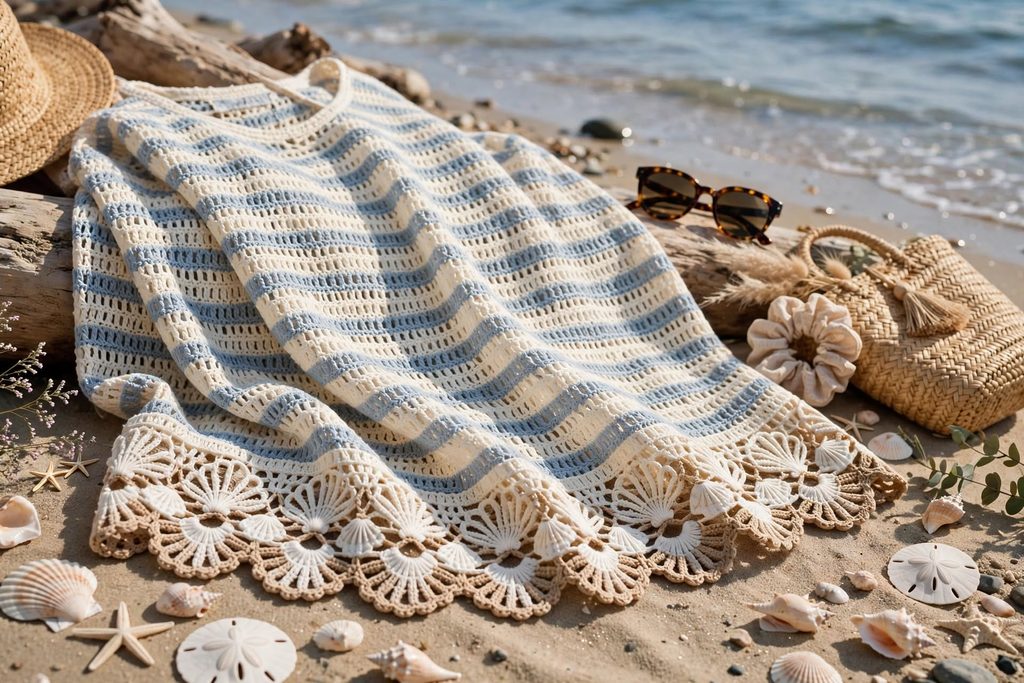
Over time, a favorite garment can gather associations. You remember where you wore it, the trip you packed it for, or the person who made it. That emotional connection is part of what can make clothing feel personal.
Still, wear is not automatically beautiful. Stretching, severe fading, broken yarn, and damaged seams may mean that a garment needs repair or replacement. The aim is not to celebrate every sign of deterioration, but to care for clothing so that it remains wearable for as long as possible.
A loose stitch can sometimes be repaired. A small hole may be mendable. Following the care instructions can help preserve the garment’s shape and color.
The result is not a perfect object frozen in time. It is a piece that continues to earn its place in your wardrobe.
The Confidence of Wearing Something Distinctive
One of the pleasures of handmade fashion is discovering designs that feel less familiar than the pieces found everywhere in the same season.
A handmade or small-batch garment may feature an unusual combination of colors, a distinctive crochet motif, or a silhouette that reflects the maker’s individual approach. Even when a pattern is shared by many makers, the choice of yarn, fit, finishing, and styling can create different results.
That gives you room to develop a personal look.
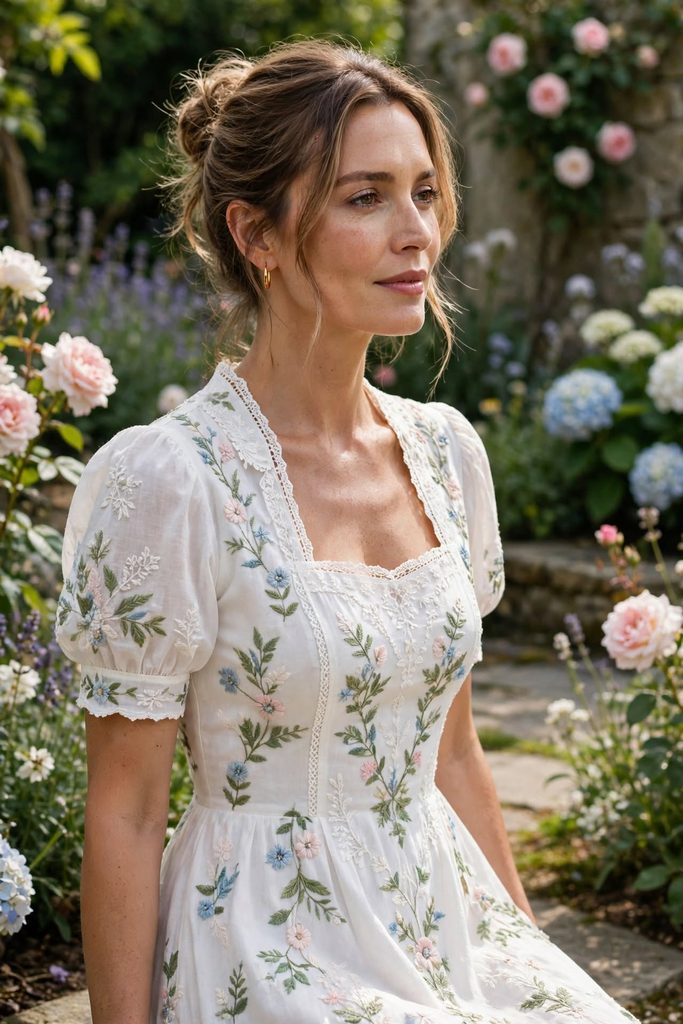
Imagine a white embroidered dress worn with simple leather sandals, small earrings, and a woven bag. The outfit does not need a collection of visible logos or elaborate accessories. The texture and details of the dress can provide enough interest on their own.
The confidence comes not from proving that nobody else owns the same garment, but from knowing why you chose it and feeling comfortable wearing it.
That distinction matters. Elegance is not a competition to own the rarest thing. It is the ability to make thoughtful choices and wear them naturally.
Handmade fashion can support that approach because it invites us to notice the work behind a garment: the pattern, the material, the finishing, and the time invested in its creation.
How to Wear Handmade Fashion Without Looking Overstyled
Handmade garments often have enough texture and detail to become the focus of an outfit. Styling them does not need to be complicated.
1. Let One Piece Lead
If you are wearing a detailed crochet dress, keep the rest of the outfit relatively simple. Neutral sandals, understated jewelry, and a clean-lined bag can let the pattern remain the main attraction.
2. Balance Texture With Simplicity
Crochet pairs naturally with smooth or understated materials. Try an openwork top with linen trousers, a knitted cardigan over a simple cotton dress, or a crochet skirt with a plain tank top.
The contrast helps each texture stand out.
3. Choose Colors That Work With Your Wardrobe
A handmade piece does not have to be beige or cream to look sophisticated. Deep blue, chocolate brown, soft green, muted pink, and warm terracotta can all work beautifully.
Think about the clothes and accessories you already own. A color that works with several existing pieces is more likely to be worn regularly.
4. Consider the Occasion
A crochet beach dress may be perfect for a holiday, while a knitted cardigan can work for everyday errands, travel, or relaxed evenings. More open designs may need a lining or an additional layer, depending on the setting.
Choosing a garment that suits the occasion helps it feel effortless rather than impractical.
5. Repeat What Works
You do not need a new styling idea every time you wear a favorite piece. Once you discover a combination that feels right, return to it.
A crochet dress, familiar sandals, and a woven bag can become a reliable summer outfit. A knitted cardigan, straight-leg jeans, and simple boots can serve the same purpose in cooler weather.
Personal style becomes easier when you have a few combinations that feel unmistakably yours.
Handmade Fashion and the Value of Buying Less Thoughtfully
Choosing handmade fashion can be one way to become more deliberate about shopping. It encourages us to look beyond the initial impression and consider how a garment was made, what it is made from, and whether it will suit our lives.
However, handmade is not automatically sustainable, ethically produced, or long-lasting. Those qualities depend on the materials, production methods, working conditions, durability, and care of the individual garment.
If these factors matter to you, look for clear information from the maker or seller. Ask about fiber content, sizing, production, repairs, and washing instructions. For online purchases, check measurements and return policies before ordering.
It is also worth remembering that the most thoughtful choice may be to repair something you already own, buy secondhand, or simply wear your existing wardrobe more often.
The goal is not to replace every factory-made garment with a handmade one. It is to choose clothes with greater care and give the pieces you love more opportunities to be worn.
The Return That Never Ends
Handmade fashion does not need to be a permanent migration away from every other kind of clothing. It can simply become a valued part of a more personal wardrobe.
You may still love a beautifully tailored jacket from a familiar brand. You may enjoy current trends, vintage finds, and practical everyday basics. Alongside them, a crochet dress or knitted cardigan can bring a different kind of character.
The important thing is that your wardrobe reflects your preferences rather than a constant pressure to acquire something new.
A handmade garment may remind you of a place, a person, a creative process, or a moment when you discovered a style that felt right. Its value can come from the craftsmanship itself, the way you wear it, or the memories you associate with it.
And if you find yourself reaching for it season after season, that is a good reason to keep it close.
The return to handmade is not necessarily a return to the past. It can be a way of moving forward with a clearer sense of what you like, what you need, and what deserves your attention.
Your Handmade Fashion Manifesto
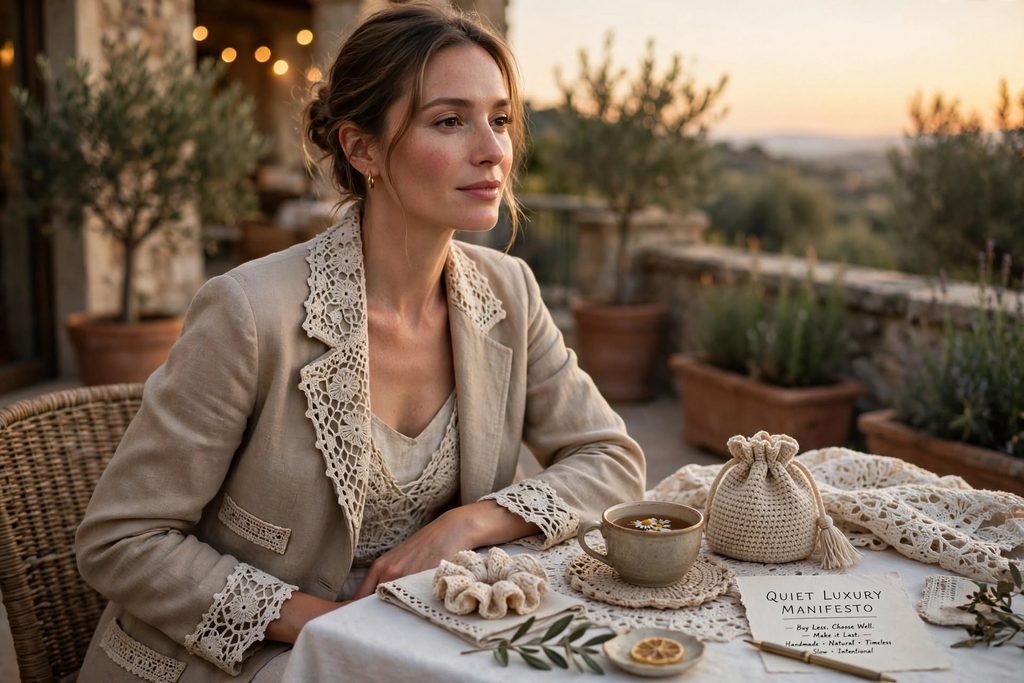
You do not need to rebuild your entire wardrobe to explore handmade fashion. Start with one piece and give yourself time to discover how it fits into your life.
- Choose with intention. Look beyond the photograph and consider the materials, fit, construction, and care requirements.
- Wear what feels like you. A garment does not need a famous label or a trend attached to it to deserve a place in your wardrobe.
- Learn how to care for it. Follow the care instructions, repair small problems where possible, and store delicate pieces appropriately.
- Style it your own way. Pair handmade garments with the clothes and accessories you already love.
- Return to the pieces that work. You do not have to stop enjoying fashion. You can simply make room for clothes you want to wear again and again.
Perhaps that is the quiet appeal of handmade fashion: it gives us another way to think about elegance. Not as a price tag, a label, or a race toward the next collection, but as a series of thoughtful choices.
A garment made by hand can be beautiful because of its stitches, its texture, or the person who created it. It can become more meaningful through the way you wear and care for it.
And sometimes, the most elegant thing you can do is choose a piece you already love—and wear it again.