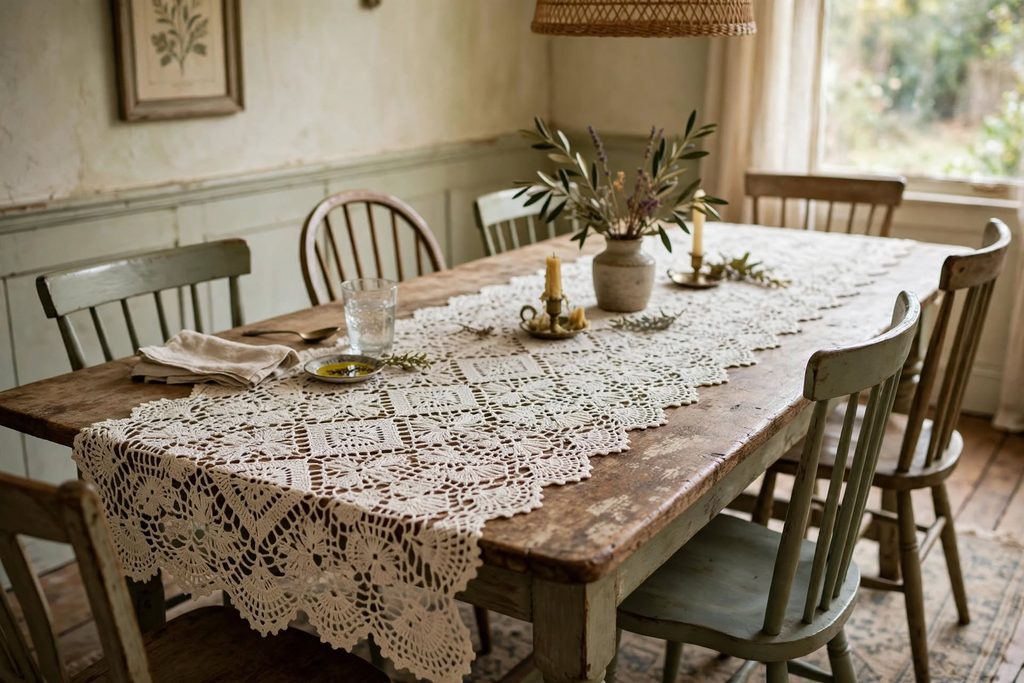
A dining table does not always need new furniture, expensive accessories, or a complete makeover. Sometimes, a single handmade detail can change the way the entire room feels.
A filet crochet table runner is one way to bring that detail into your home. With its delicate openwork, repeating geometric patterns, and balance of solid stitches and empty spaces, it adds texture without making a table feel crowded.
Whether you love vintage interiors, modern cottage style, or simple Scandinavian decor, crochet lace can complement a surprising range of spaces. The key is choosing the right pattern, colour, and proportions for your table.
What Is Filet Crochet?
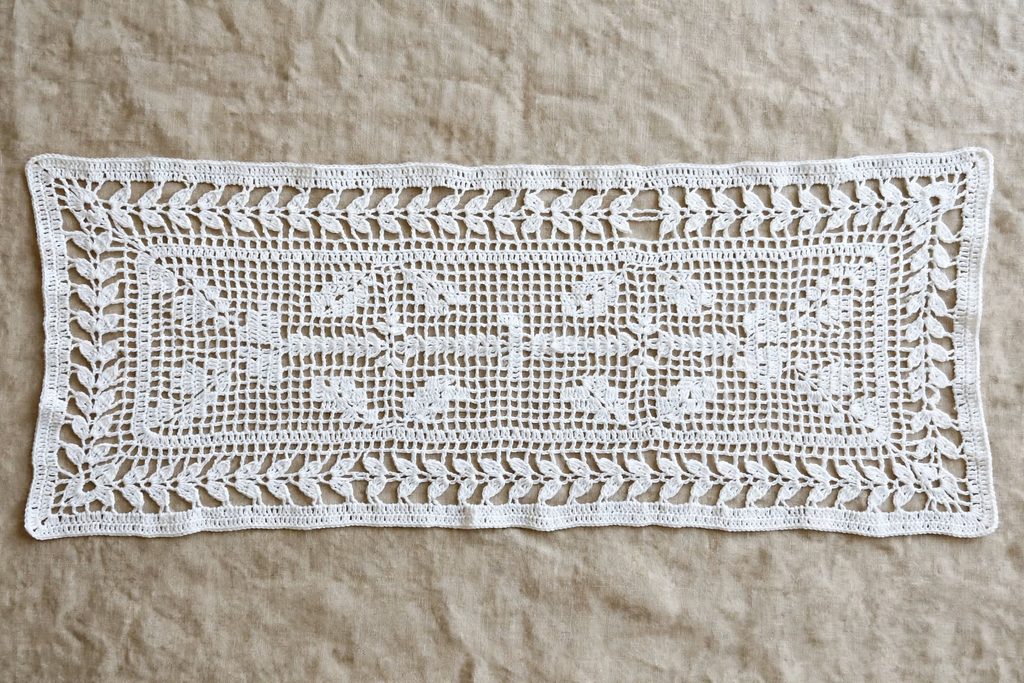
Filet crochet is a technique that creates patterns using a grid of filled and open spaces. The contrast between these two elements forms geometric designs, decorative borders, and sometimes recognizable motifs.
The result can look intricate, even when the pattern relies on a repeating structure.
Unlike heavily textured crochet, filet crochet often emphasizes lightness and negative space. This makes it particularly suitable for home decor: the finished piece adds detail while allowing the surface beneath it to remain visible.
[Image 1 — Place a close-up of a genuine filet crochet table runner showing its open grid and geometric pattern.]
ALT text: White filet crochet table runner with an openwork geometric lace pattern.
Why a Crochet Lace Table Runner Works So Well
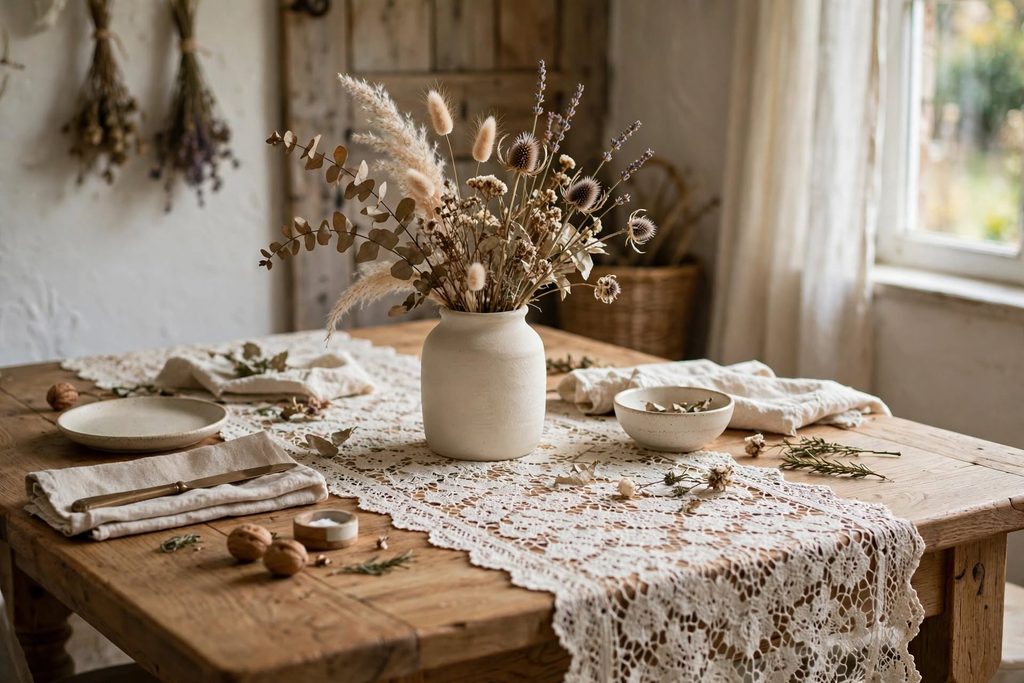
A lace table runner can make a dining area feel more considered without requiring a complete redesign.
1. It adds texture without visual heaviness
Open stitches create a delicate pattern that feels lighter than a thick, solid table covering. On a wooden table, white or natural cotton lace creates a gentle contrast between the smooth surface and the handmade texture.
2. It complements different decorating styles
A simple geometric runner can work in a modern interior, while a more intricate design may suit a vintage-inspired dining room.
For a relaxed cottage look, combine crochet lace with natural wood, ceramic tableware, linen napkins, and a small arrangement of seasonal flowers. For a cleaner, contemporary setting, keep the surrounding decor simple so the pattern can stand out.
3. It makes an everyday table feel special
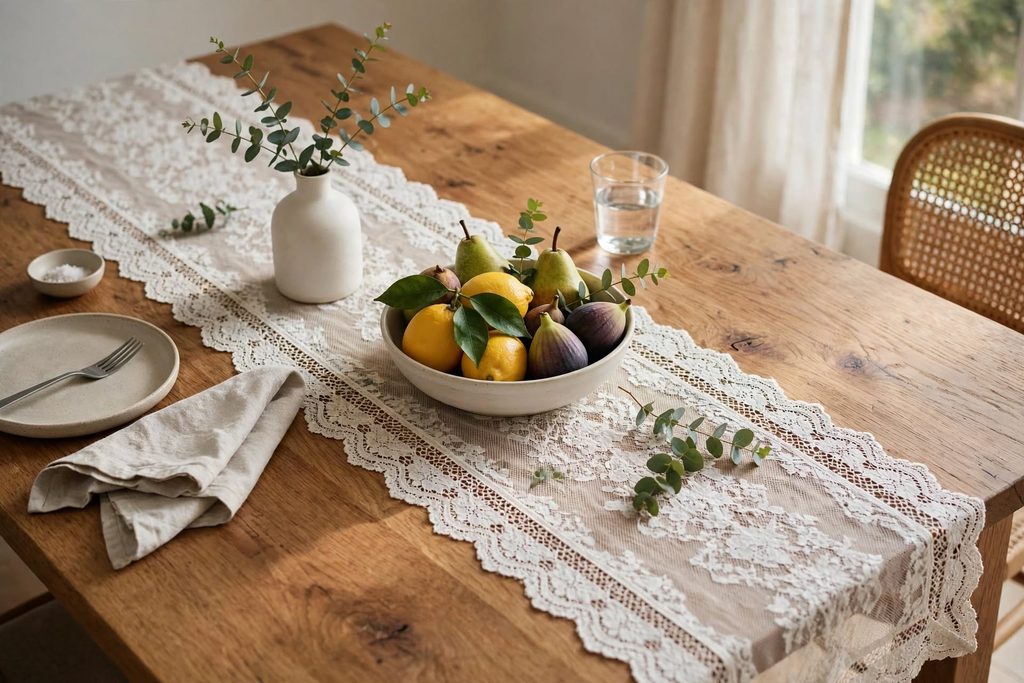
You do not need to reserve handmade textiles for holidays or formal dinners. A runner can sit beneath a vase, a bowl of fruit, or a small centerpiece and bring a little detail to an ordinary day.
The most successful styling often comes from restraint. Let the crochet do the work rather than covering it with too many decorative objects.
[Image 2 — Place a styled dining table with a lace runner, natural wood, a simple ceramic vase, and soft daylight.]
ALT text: Crochet lace table runner styled on a wooden dining table with a ceramic vase and dried flowers.
Choosing the Right Crochet Table Runner Pattern
Not every lace pattern creates the same effect. Before choosing a design, consider the style of your room and how you want the finished piece to look.
Geometric filet crochet
Diamonds, squares, stripes, and repeating grids give a runner a structured appearance. These patterns are a good choice if you prefer understated decor that feels timeless rather than overly ornate.
Floral and decorative lace
Patterns featuring flowers, leaves, or curved motifs create a softer, more traditional look. They can work beautifully with vintage furniture, painted wood, and romantic cottage interiors.
Simple openwork
A straightforward pattern with repeating spaces can feel airy and understated. It may be a good option if you want the texture of handmade lace without a highly detailed motif.
Fringed and textured runners
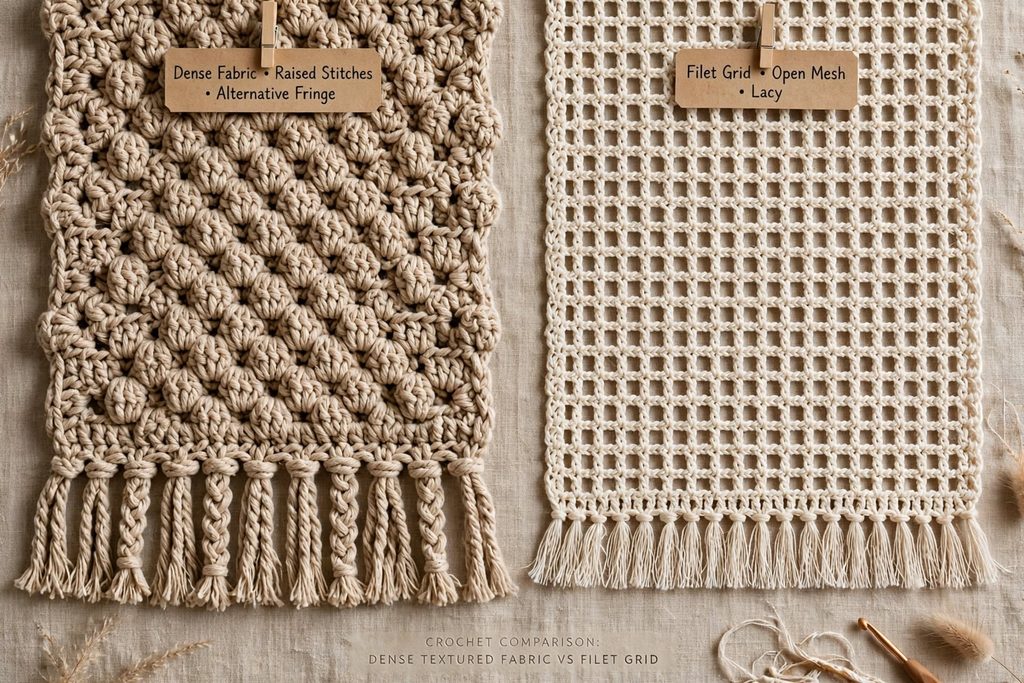
Some crochet runners use fringe, raised stitches, or denser fabric instead of a traditional filet grid. These can be attractive alternatives, but they are different design approaches. If you specifically want filet crochet, check that the pattern actually uses the filled-and-open grid technique.
Before purchasing a pattern, look at the finished-project photographs and read the description. Check the stated skill level, materials, dimensions, and whether written instructions, charts, or both are included.
How to Choose the Right Size
A runner should complement the table rather than overwhelm it.
Start by measuring the length and width of your table. Then consider whether you prefer a narrow decorative strip or a wider piece that becomes the main focal point.
For a dining table, decide how much of the tabletop you want to remain visible and whether you want the runner to extend beyond the ends. For a smaller coffee table or console, a shorter design may look more balanced.
If you are following a crochet pattern, check its finished dimensions before starting. Your final measurements can vary with yarn, hook size, tension, and blocking, so use the pattern’s guidance rather than assuming every runner will turn out the same size.
Choosing Yarn for Crochet Lace
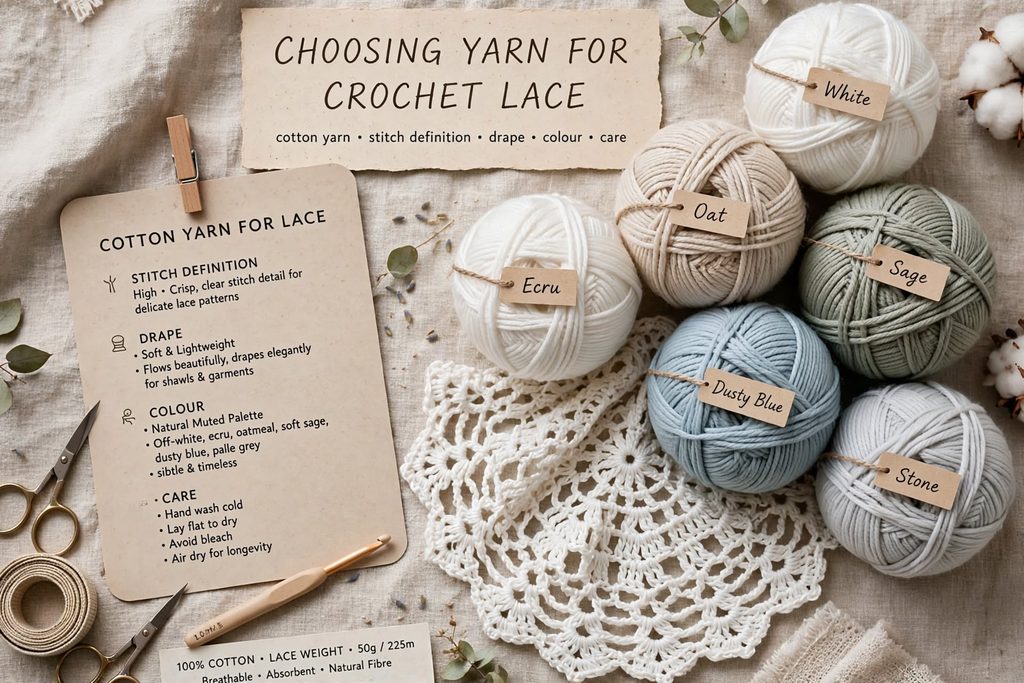
Yarn affects both the appearance and the practicality of a table runner.
Cotton yarn is a common choice for home textiles because it can produce clear stitch definition and a neat finish. It is available in a wide range of colours and weights, making it suitable for many decorative projects.
When choosing yarn, consider these factors:
- Stitch definition: A yarn that shows individual stitches clearly can help an openwork pattern stand out.
- Drape: The finished fabric should lie comfortably on the table rather than feeling excessively stiff or bulky.
- Colour: White and natural shades emphasize the traditional lace look, while muted colours can create a more contemporary effect.
- Care instructions: Check the yarn label and pattern recommendations before deciding how the finished piece should be washed.
If you are new to filet crochet, a clearly written pattern with a readable chart can make the process easier. Take time to understand how the pattern represents filled and open spaces before working through a long section.
How to Finish and Care for a Crochet Table Runner
Finishing can make a noticeable difference to the appearance of handmade lace.
When the runner is complete, weave in the ends securely and inspect the edges for loose stitches. Follow the yarn and pattern instructions for washing.
If the materials allow it, blocking can help even out the shape and open the lace pattern. Work gently, pinning the piece to the intended dimensions without stretching it excessively. Always check the care recommendations before applying heat or moisture.
For everyday use, keep the runner away from spills when possible and treat stains according to the fibre’s care instructions. If you place candles, hot dishes, or heavy objects on the table, consider whether the delicate fabric could be damaged. A lace runner is decorative textile work, not a protective heat-resistant mat.
[Image 3 — Place a close-up of a finished crochet runner laid flat, showing the edges and stitch definition.]
ALT text: Finished crochet lace table runner with clearly defined openwork stitches and neat edges.
Styling a Lace Runner in Your Home
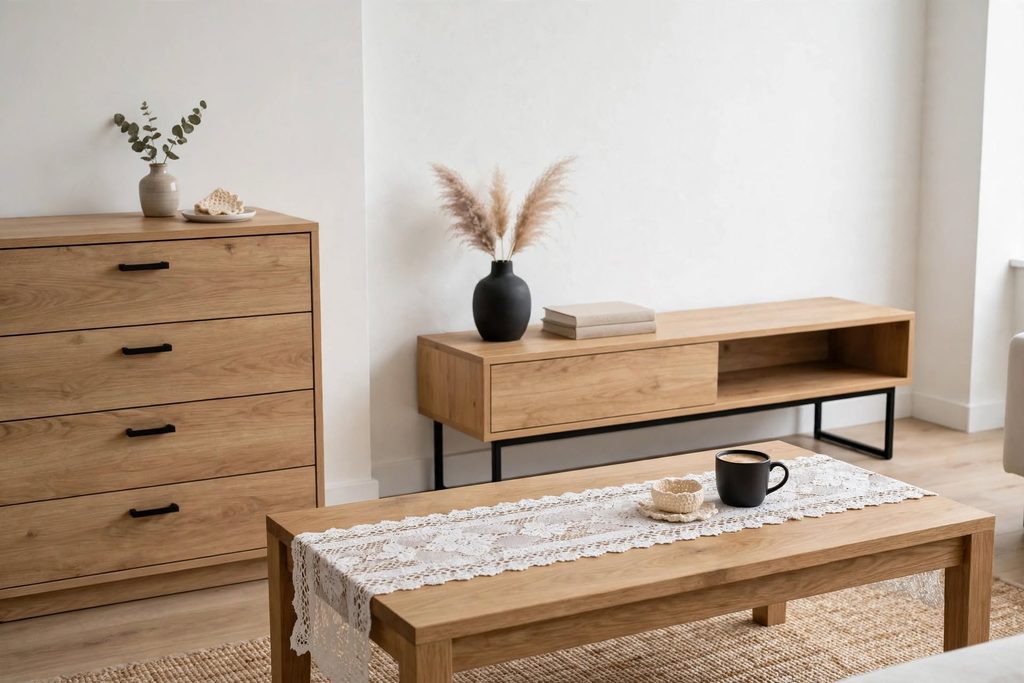
The easiest way to style a crochet runner is to give it room to be seen.
On a wooden dining table, pair it with a simple vase, a few stems of greenery, or understated ceramic pieces. Avoid placing too many objects across the lace, especially if the pattern is intricate.
For a vintage-inspired interior, combine the runner with warm wood tones, linen, and gently aged finishes. In a modern room, contrast the handmade texture with clean lines and uncluttered surfaces.
You can also use a smaller crochet piece on a dresser, console table, or coffee table. Just check that its proportions suit the surface and that it will not slide or catch on nearby objects.
The goal is not to make every corner look styled. It is to choose one detail that feels natural in the room.
A Handmade Detail That Lasts Beyond a Trend
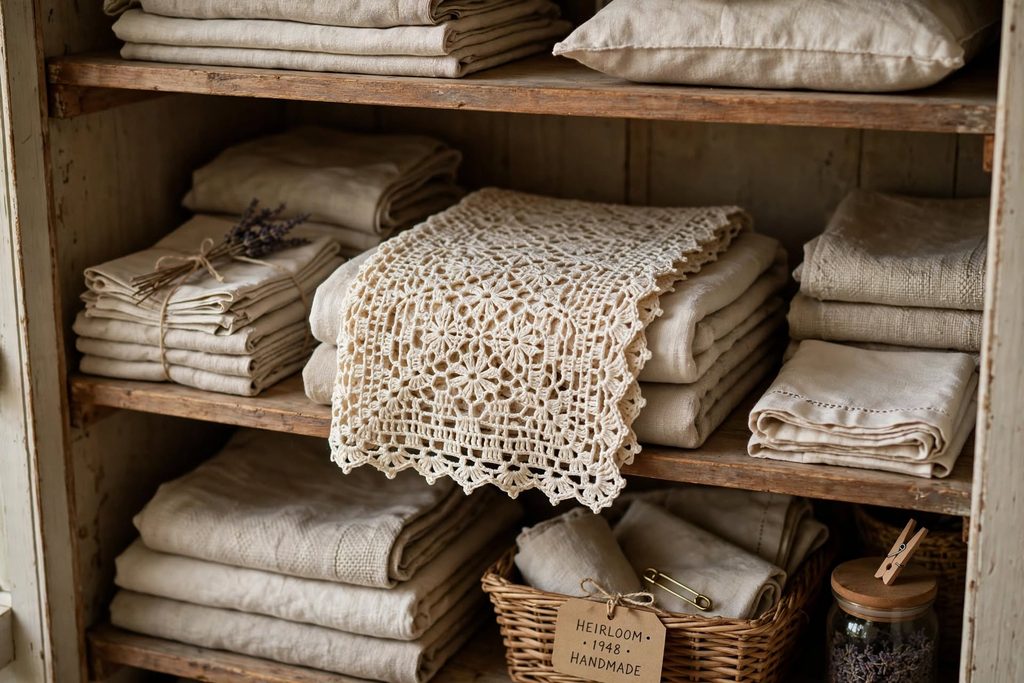
A filet crochet table runner brings together pattern, texture, and the quiet appeal of handmade work. Its open grid can feel traditional or contemporary depending on the design, yarn, and way it is styled.
You do not need to replace an entire dining set to make a room feel more personal. A carefully chosen textile can complement the furniture you already own and give an everyday surface a little more character.
If you are planning your own project, start with a pattern that matches your preferred style, check the finished dimensions, and choose yarn that suits the intended use. Take your time with the stitches and finishing details.
The beauty of handmade decor is not that it transforms every room overnight. It is that a small, thoughtfully made object can become part of the home for years to come.