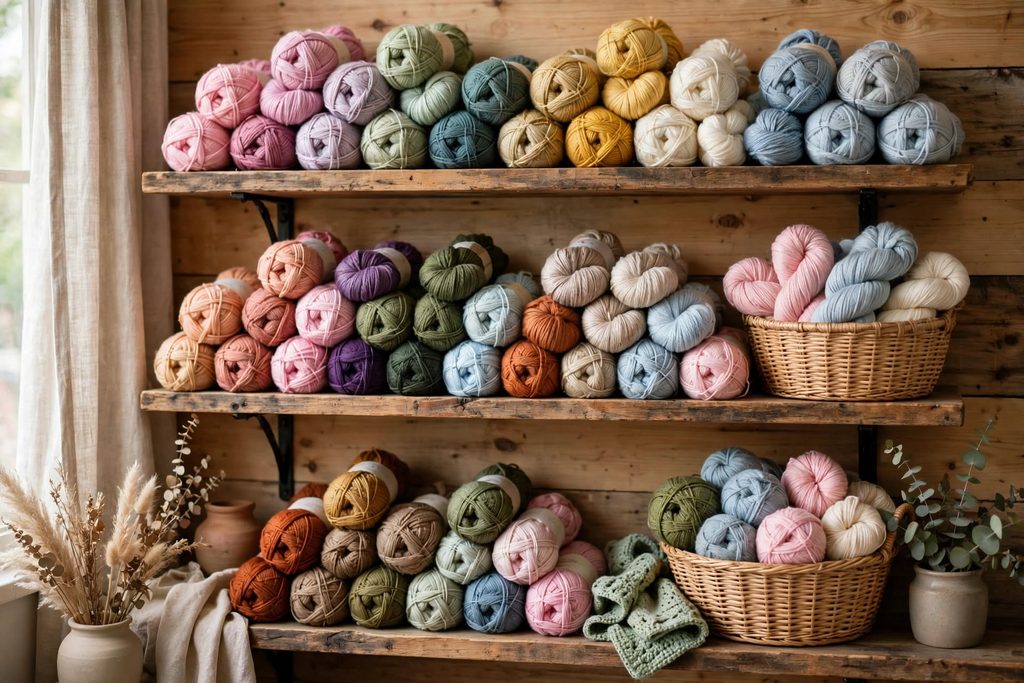
Somewhere in your home, there is a closet that has quietly stopped being a closet.
It still has a door. It may even contain a few coats. But behind them, something else has been growing: a colorful collection of yarn skeins, half-forgotten project supplies, and beautiful colors that were simply too tempting to leave at the store.
Some yarn was bought for a specific project. Some was purchased because it was on sale. A few skeins were chosen because the color was irresistible. And then there are the emergency purchases — the ones kept just in case the perfect project appears.
And yet, somehow, the collection never feels complete.
A new colorway arrives. A favorite yarn goes on sale. Someone shares a beautiful crochet project online, and suddenly the yarn stash needs one more shade of green, one more soft neutral, or perhaps an entire new collection of cotton.
If this sounds familiar, you are not alone. A growing yarn stash is a common part of the crochet hobby. It reflects creativity, curiosity, planning, and sometimes the simple pleasure of discovering a beautiful material.
But why is it so difficult to stop buying just one more skein? And how can you enjoy a growing crochet yarn stash without losing track of what you already own?
Let’s take a closer look.
The Five Reasons Crocheters Keep Buying More Yarn
Yarn collecting is rarely caused by just one thing. Several familiar motivations can turn a small collection into a full set of shelves.
1. The Just-in-Case Reflex
“But what if I run out halfway through?”
This is one of the most practical reasons to buy extra yarn. Running out of a particular color or dye lot can make it difficult to finish a project exactly as planned.
Yarn colors may vary slightly between production batches. Even when the product name and shade number are identical, the difference can sometimes be noticeable, especially in larger projects.
Keeping an extra skein or two for a planned blanket, sweater, or other substantial project can therefore be sensible.
The problem begins when every beautiful skein becomes a potential emergency supply — even when there is no project attached to it.
2. The Collector’s Eye
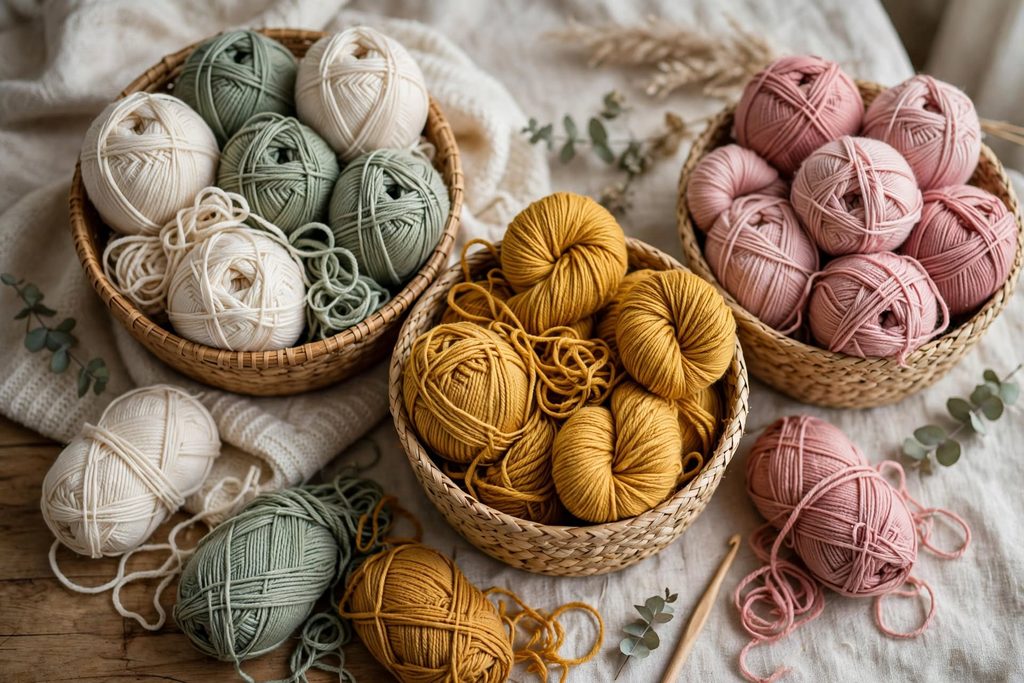
Some crocheters are drawn to colors just as much as they are drawn to finished projects.
A beautiful dusty rose, a deep forest green, or a soft shade of mustard can be difficult to resist. Even if there is no immediate plan for using it, the yarn seems to deserve a place in the collection.
Color combinations also inspire ideas. A skein of cream cotton might suggest a summer bag, while a few shades of blue could become the beginning of a future blanket.
Collecting yarn can be enjoyable in its own right. The important thing is making sure that the collection remains something you enjoy rather than something that overwhelms your available space.
3. The Project-Ahead Illusion
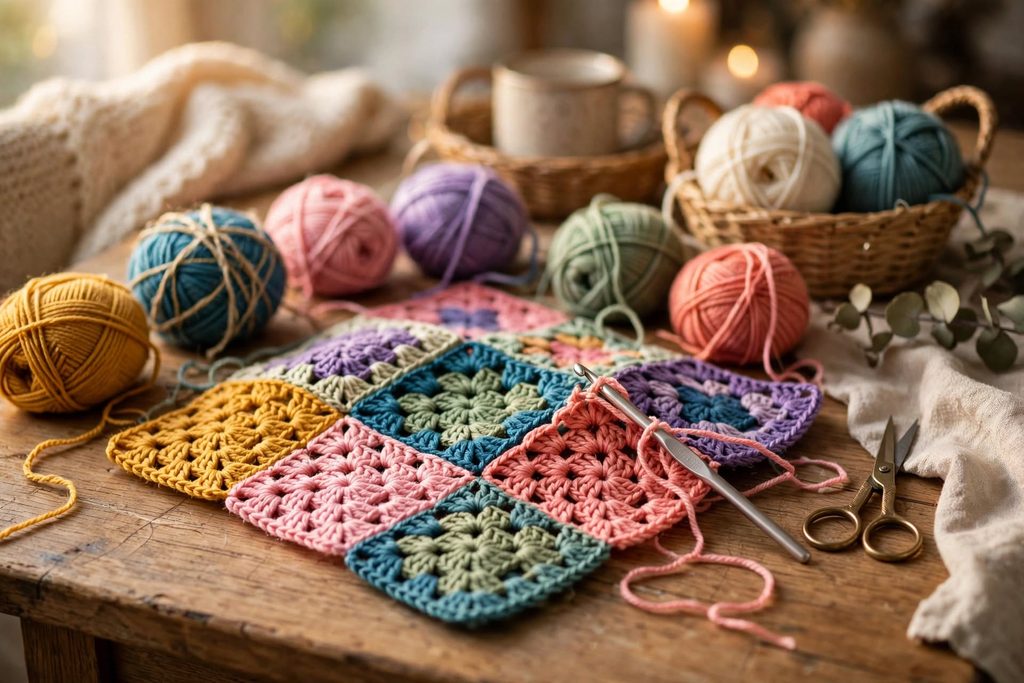
“This would be perfect for that blanket I’ve been planning.”
Many crochet projects begin as ideas rather than actual plans.
A crocheter might buy yarn for a cardigan, a collection of granny squares, a baby blanket, or a seasonal home accessory. The project sounds wonderful at the time, but other ideas eventually take priority.
Before long, the original yarn is still waiting on the shelf.
This does not mean the purchase was necessarily a mistake. Creative interests change, and not every project idea needs to become a finished object.
However, it helps to distinguish between yarn for an active project and yarn bought for a possibility that may never happen.
4. The Emotional Connection
Yarn is not always just a material.
A particular color might remind someone of a favorite season, a seaside holiday, a childhood blanket, or a room they once loved. A soft neutral might bring to mind a cozy winter afternoon, while a bright shade of orange could feel like summer.
These associations can make certain skeins especially appealing.
Buying yarn sometimes means bringing home a color, texture, or feeling that inspires future creativity. That emotional connection is part of what makes handmade hobbies enjoyable.
There is nothing wrong with keeping a few special skeins simply because they make you happy. The key is knowing how much space you want to give them.
5. The Community Effect
Crochet is a social hobby, even when the actual stitching happens alone.
Online groups, craft blogs, Pinterest boards, and social media feeds constantly introduce new projects, color combinations, and yarn collections.
When several crocheters share beautiful projects made with the same yarn, it is easy to start imagining what you could make with it too.
A popular colorway can suddenly seem essential. A new seasonal collection can create the feeling that everyone is discovering something you should not miss.
Community inspiration can be wonderful, but it does not mean every trend needs to become part of your own yarn stash.
The best projects are often the ones that match your interests, available time, and personal style.
Why One More Skein Never Feels Like Enough
Buying yarn can be enjoyable long before a crochet hook ever touches it.
There is the pleasure of browsing colors, comparing textures, imagining possible projects, and discovering a material that feels just right. Choosing yarn can become a creative activity in itself.
The anticipation of a future project is part of the attraction.
But there is a difference between enjoying the possibilities and actually using the materials. A new skein may arrive full of promise, yet remain untouched for months or even years.
This is how a yarn stash becomes a collection of unfinished intentions.
One useful way to think about it is that every skein represents a possibility. Some possibilities will become blankets, bags, gifts, or home accessories. Others may eventually be used for smaller projects or passed on to another crafter.
A healthy yarn stash does not have to be perfectly planned. It simply needs to remain manageable and enjoyable.
How Much Yarn Do You Really Have?
It is surprisingly easy to underestimate the size of a yarn stash.
A few skeins in a basket do not seem like much. Add the yarn in storage boxes, shopping bags, drawers, and project containers, and the total can become considerably larger than expected.
Counting skeins alone does not tell the whole story. A small collection of large balls may contain more yarn than dozens of tiny leftover skeins.
For a clearer picture, record a few basic details:
- Yarn name and brand: Useful when you want to buy the same yarn again.
- Fiber content: Cotton, wool, acrylic, blends, and other fibers have different properties.
- Yarn weight: For example, fingering, DK, worsted, or bulky.
- Ball weight and yardage: A 50 g ball and a 100 g ball are not interchangeable.
- Color and shade number: Helpful when matching yarn for a larger project.
- Quantity: Record how many full skeins and partial balls you have.
This simple inventory can prevent unnecessary duplicate purchases and make it easier to plan projects around materials already available.
It also helps when a favorite yarn is discontinued or temporarily unavailable.
Yarn Stash Organization: Make Every Skein Visible
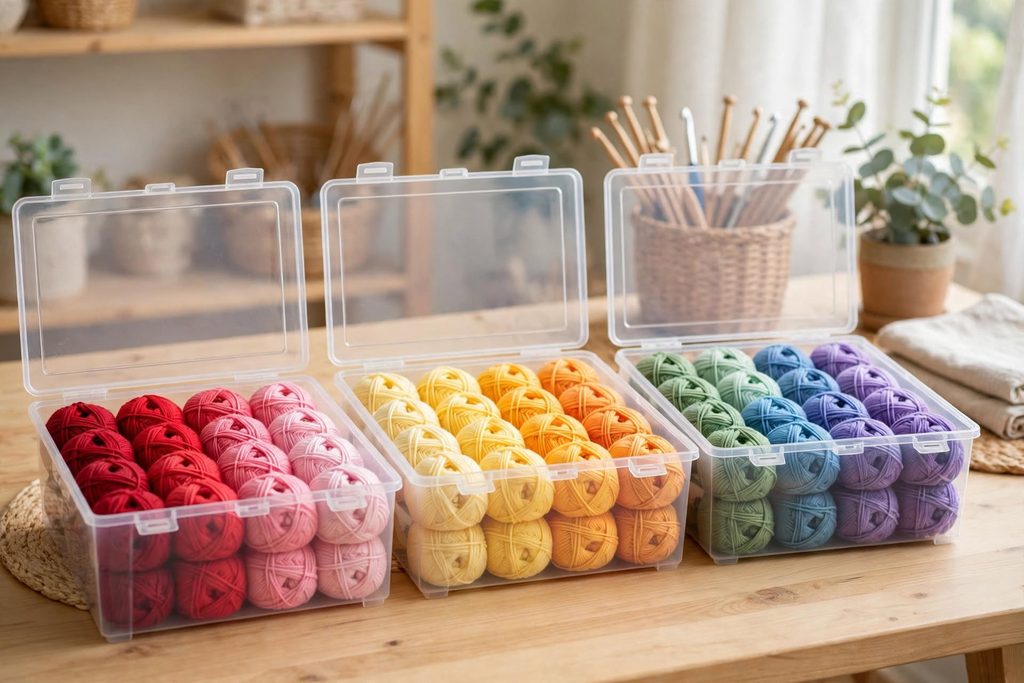
One of the easiest ways to make a yarn stash more useful is to organize it so you can actually see what you own.
When yarn is hidden in shopping bags and forgotten boxes, it is difficult to remember which colors, fibers, and quantities are available. A visible, organized collection makes choosing materials much easier.
Here are four practical ways to organize a crochet yarn stash.
1. Bring Yarn Out of Forgotten Bags
Start by gathering all your yarn in one place.
Check closets, drawers, baskets, project bags, and storage boxes. Separate full skeins from leftovers and remove packaging that makes the collection difficult to inspect.
Then choose storage that suits your available space:
- Open shelves make colors easy to see.
- Clear storage boxes protect yarn while keeping it visible.
- Baskets create an attractive display for frequently used skeins.
- Drawer organizers work well for smaller collections and leftover yarn.
The goal is not to create a perfect craft room. It is to make your yarn easy to find and use.
2. Sort by Yarn Weight and Fiber
Sorting everything by color may look beautiful, but it is not always the most practical system.
A useful approach is to group yarn by weight first, then organize each group by color.
For example, keep DK cotton together, worsted acrylic together, and bulky wool blends in another section.
This makes it easier to find suitable yarn when planning a project.
You can also keep frequently used fibers in a separate area. If cotton is your favorite material for bags and summer accessories, having those skeins together saves time.
3. Create a Simple Yarn Inventory
You do not need a complicated spreadsheet to keep track of your collection.
A notebook, spreadsheet, or digital list can be enough. Record the yarn brand, fiber, weight, color, yardage, and quantity.
Taking a photograph of each group can also help. When browsing a yarn shop or online store, you can quickly check what you already own.
This is particularly useful when you are tempted by a familiar shade that might already be sitting in a storage box at home.
4. Give Your Yarn a Future Project
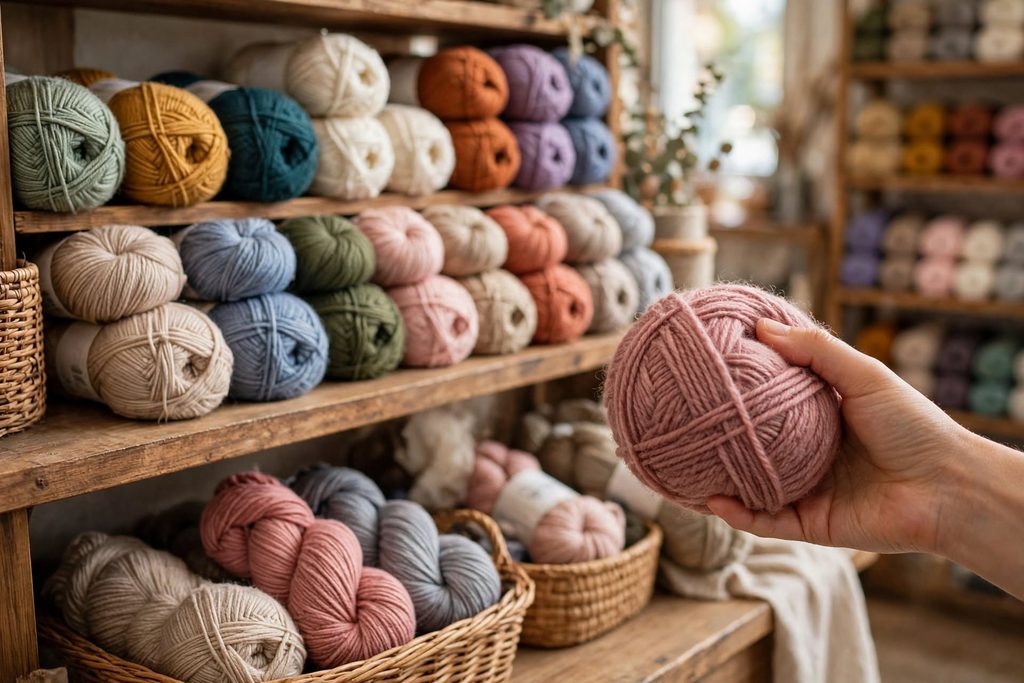
Try dividing your stash into three simple categories:
Current projects: Yarn already assigned to something you are making.
Planned projects: Materials you have chosen for projects you genuinely intend to start.
Open collection: Yarn bought for inspiration, experimentation, or future ideas.
This approach allows room for spontaneous purchases without pretending every skein has an immediate purpose.
You can also choose a small group of projects to work on next. It makes the collection feel more connected to your creative plans.
When a Large Yarn Stash Is Actually Useful
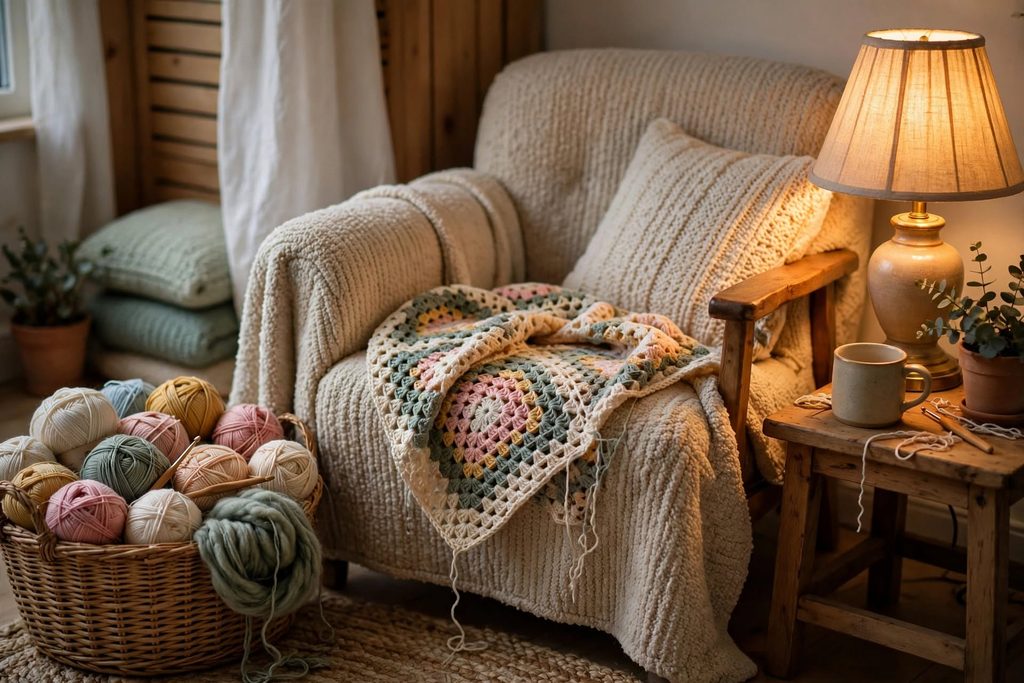
A large yarn stash is not automatically a problem. When it is stored properly and contains materials you enjoy using, it can be a valuable creative resource.
It Becomes a Color Laboratory
Having several colors available makes it easier to experiment with combinations.
You can place two or three skeins next to each other, compare warm and cool tones, and test whether a palette works before committing to a larger project.
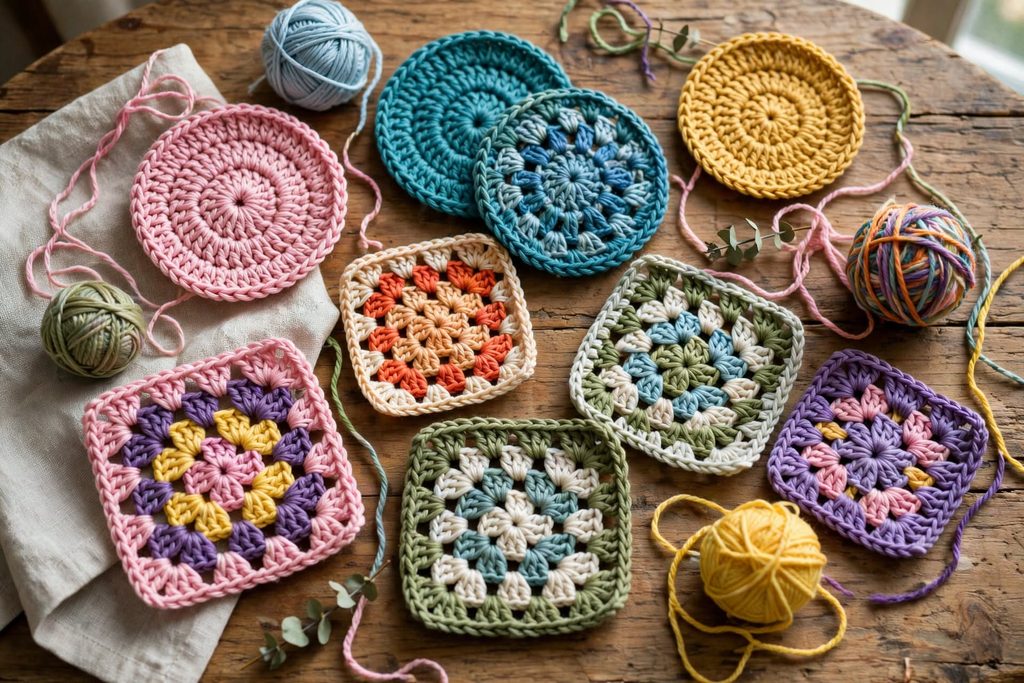
This is particularly useful for granny squares, striped blankets, bags, and decorative crochet pieces.
It Makes Small Projects Easier to Start
Not every crochet project requires a large quantity of yarn.
Coasters, small accessories, decorative borders, and individual granny squares can often use materials left over from larger projects.
A well-organized stash makes these smaller creative sessions easier because you can choose from yarn already at home.
It Helps When a Favorite Yarn Becomes Unavailable
Yarn collections and color ranges change over time. A particular shade may disappear from a shop or become difficult to find.
Having enough yarn for an active project can prevent unnecessary frustration.
This is one reason it is worth checking dye lots and buying an appropriate quantity when planning a larger piece.
It Encourages Sharing and Gifting
Sometimes a skein that no longer fits your plans could be exactly what another crocheter needs.
Unused yarn can be shared with friends, donated to suitable community craft projects, or passed on to someone learning crochet.
A collection becomes more meaningful when its materials are used, enjoyed, and shared.
How to Stop Buying Yarn You Don’t Need
You do not have to stop enjoying yarn shopping. The goal is to make purchases more intentional.
Here are a few simple habits that can help.
Shop your stash first. Before buying yarn for a new project, check whether you already own something suitable.
Use a waiting list. If a yarn catches your eye, write down its name and color rather than buying it immediately. Revisit the idea after a few days.
Set a storage limit. Decide how much space your yarn collection can reasonably occupy. A shelf, cabinet, or set of boxes can provide a natural boundary.
Buy enough for planned projects. For larger projects, check the required yardage and compare it with the amount you already own.
Keep room for spontaneous creativity. Not every purchase needs a detailed plan. A special single skein can be a perfectly reasonable addition if you have space and genuinely enjoy it.
There is no universal one-in, one-out rule for yarn. Some crocheters prefer strict limits, while others enjoy maintaining a larger collection. Choose a system that supports your hobby instead of making it feel like another obligation.
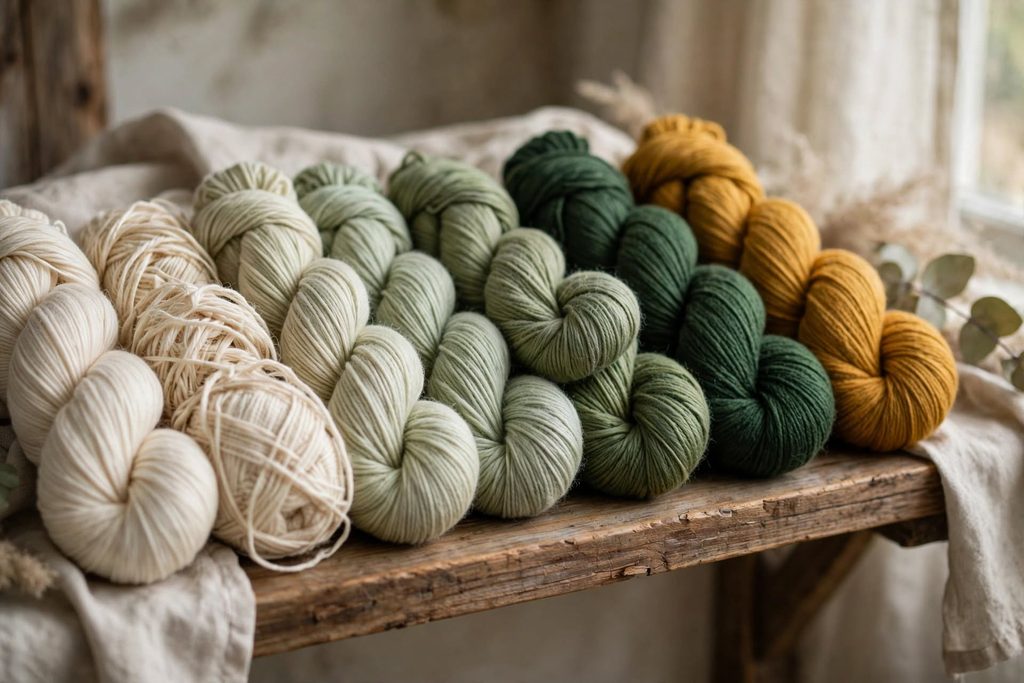
So, Do You Really Need Just One More Skein?
Honestly? Maybe.
Perhaps it is the perfect shade for a blanket you have been planning. Perhaps your favorite cotton yarn is finally available in a color you love. Or perhaps it is simply a beautiful skein that makes you smile whenever you see it.
There is nothing wrong with buying yarn for the pleasure of choosing it. Creative hobbies are supposed to bring enjoyment.
The more useful question is whether the purchase fits your space, budget, and interests — and whether you have a reasonable chance of using it.
A yarn stash does not need to be tiny, perfectly organized, or completely used up to be worthwhile. It should be a collection that supports your creativity rather than one that makes you feel guilty.
So take a look at your shelves. Rediscover an old favorite. Try a color combination you have forgotten about. Give an overlooked skein a new purpose.
And when the truly irresistible yarn appears, you can make room for it with a little more confidence.
After all, the best yarn stash is not necessarily the smallest one.
It is the one that keeps you excited about what you might make next.